
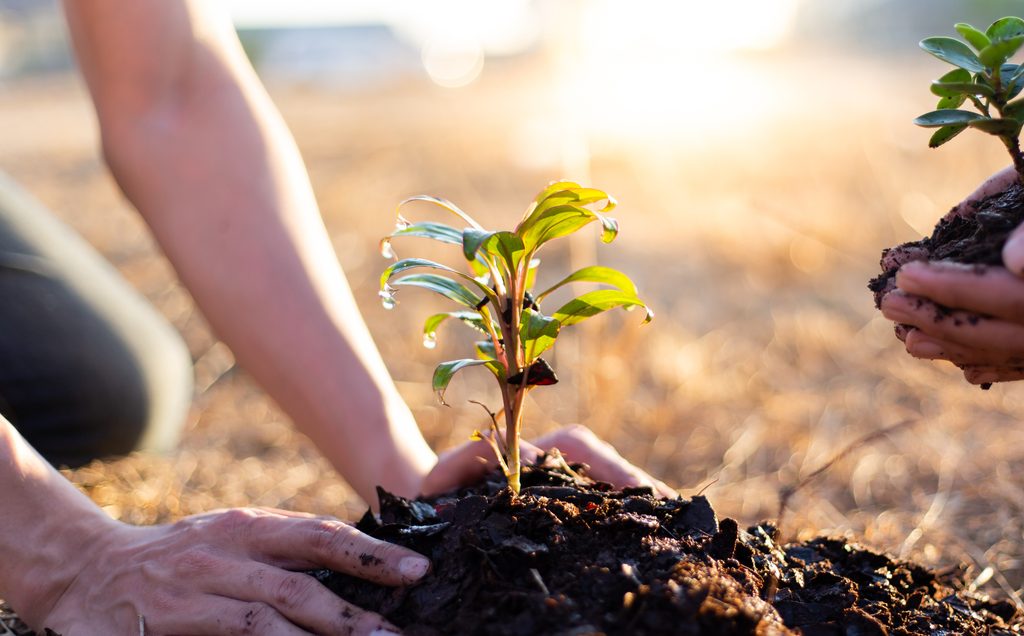
Spring may be the season most associated with planting, but fall offers some of the best conditions for improving commercial landscapes in Greater Pittsburgh.
As summer heat fades, cooler air reduces stress on newly installed plants. Meanwhile, the soil often remains warm enough for roots to continue growing. This gives many trees, shrubs and perennials an opportunity to begin establishing before winter.
Cooler Weather Reduces Plant Stress
New plants need time to adjust after installation. During summer, heat and intense sunlight cause plants to lose moisture quickly. Their limited root systems may struggle to keep up.
Fall’s cooler temperatures reduce that demand. Plants can direct more energy toward root development instead of managing heat stress and producing new top growth.
These conditions can be especially helpful near parking lots, walkways and building entrances, where pavement creates additional heat during summer.
Warm Soil Supports Root Growth
Although air temperatures begin cooling in September and October, the soil retains warmth longer. Roots can continue growing until soil temperatures drop significantly.
This allows plants to begin expanding into the surrounding soil before winter dormancy. When spring arrives, they are better prepared to use available moisture and nutrients.
That head start can be particularly valuable on Pittsburgh-area properties with compacted or clay-influenced soil, although proper soil preparation is still essential.
Plant Selection Still Matters
Good planting conditions cannot overcome poor plant selection. Every fall installation should consider:
- Sun and shade
- Soil drainage and compaction
- Mature plant size
- Available root space
- Deer pressure
- Winter wind and road salt
- Irrigation availability
- Maintenance expectations
Commercial properties often contain several growing conditions within one site. A parking-lot island may be hot and dry, while a shaded bed near a building may remain wet. Selecting plants for each location helps create a healthier landscape that requires fewer corrections later.
Proper Installation Protects the Investment
Planting depth, soil preparation and follow-up care all affect long-term performance. Trees and shrubs planted too deeply may develop root and moisture problems. Mulch can help conserve moisture and regulate soil temperature, but it should not be piled against trunks or plant crowns.
New plants also require consistent watering. Fall rainfall can help, but it does not replace an establishment watering plan. Soil moisture should be monitored until the ground freezes.
Plan for Long-Term Performance
Fall planting can refresh entrances, replace declining plants, add seasonal interest and improve difficult areas. However, the best projects address more than appearance.
Before replacing plants, determine why the previous landscape struggled. Drainage, soil, irrigation, limited space or unsuitable plant choices may need to be corrected first. Solving these underlying issues helps prevent the same problems from returning.
JML Landscape helps commercial property managers throughout Greater Pittsburgh plan and install landscape improvements based on site conditions, seasonal timing and long-term maintenance needs. Contact our team today to discuss fall planting opportunities for your property.