
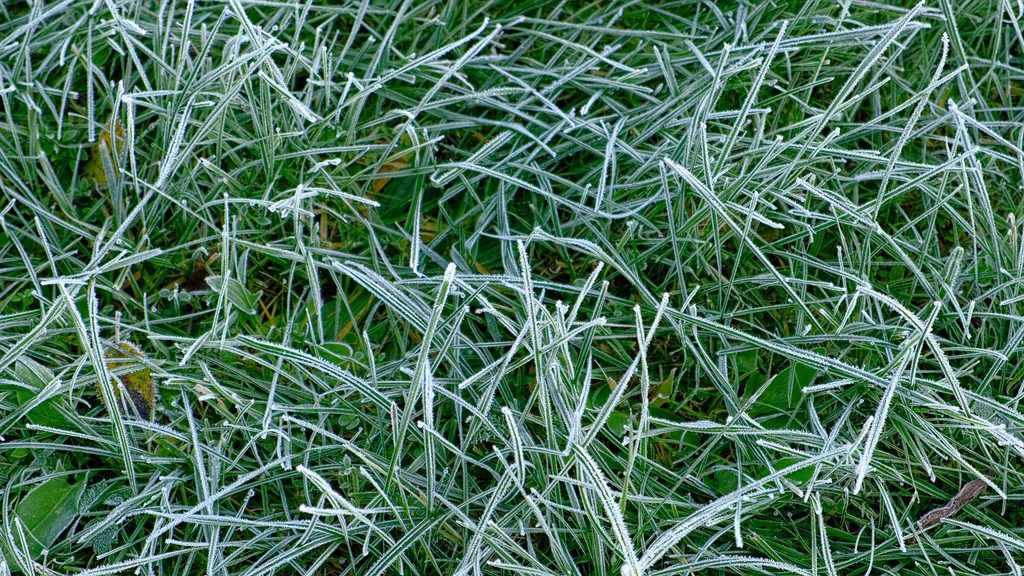
The first freeze signals an important seasonal change for commercial landscapes across Western Pennsylvania and Eastern Ohio. Turf growth slows, plants move toward dormancy and winter operations become a more immediate concern.
A focused fall review can help prevent avoidable damage, protect access and give the property a stronger start in spring.
Keep Mowing Until Growth Slows
Cool-season grass may continue growing after temperatures begin to fall. Continue mowing as needed instead of stopping on a set date, and maintain the appropriate height for the turf rather than cutting it unusually short before winter.
Avoid mowing saturated or frozen ground. Equipment traffic under those conditions can damage the grass and compact the soil.
Finish Seasonal Turf and Bed Care
Review any remaining fall turf services before freezing conditions become consistent. Depending on timing and site needs, that may include fertilization, broadleaf weed management or follow-up care for areas that were aerated and overseeded earlier in the season.
Remove leaves before they mat over turf or block drains. In planting beds, clear unwanted debris and weeds, correct exposed roots or unstable plants, and maintain an even layer of mulch. Keep mulch away from trunks and plant crowns, where excess moisture can contribute to decay.
Fall is not the time to heavily prune every tree or shrub. Focus on dead or damaged branches, blocked signs and walkways, or growth that may interfere with winter operations. Schedule other pruning according to the plant species and its condition.
Inspect Trees and Drainage Areas
As leaves drop, broken limbs, dead wood and weak branch attachments may become easier to see. Pay particular attention to trees near entrances, parking areas, sidewalks, signs and planned snow-clearing routes. Larger or potentially hazardous concerns should be evaluated by a qualified tree care professional.
Clear catch basins, downspout outlets and drainage channels before freezing weather. Note areas where water regularly collects so recurring drainage problems can be evaluated as part of future landscape improvements.
Prepare for Snow and Ice Operations
Before the first storm, the property manager and winter service team should confirm:
- Priority entrances and pedestrian routes
- Designated snow-storage areas
- Curbs and pavement edges that may be difficult to see
- Shrubs, turf and beds close to clearing routes
- Drainage areas that must remain open
Planning these details in advance helps protect landscape features while supporting safe, accessible winter operations.
Record Concerns for Spring
Photograph and document turf damage, recurring weeds, declining plants and drainage concerns that cannot be corrected before winter. These notes give the landscape team a clearer starting point for spring planning and budgeting.
Plan Before Temperatures Drop
A practical first-freeze plan should reflect the property’s turf, plant material, slopes, drainage and winter priorities. Addressing the most important items now can reduce preventable damage and make seasonal service changes easier to manage.
Contact JML today to prepare your commercial landscape in Western Pennsylvania or Eastern Ohio for freezing temperatures and the winter season ahead.